Last Updated on Sep 8, 2026
Selecting a site for a secure, efficient, and scalable data center is a multidisciplinary engineering decision. Although power availability, network connectivity, permitting, and commercial considerations are important, the selected site also establishes the environmental conditions under which mechanical systems must operate throughout the facility life cycle.
Climate, humidity, air quality, water availability, natural hazards, equipment accessibility, and available space can directly influence cooling-system selection, equipment capacity, piping configuration, maintainability, energy consumption, and long-term operating costs.
For mechanical engineers, site selection is therefore not simply a location decision; it is an early design decision that affects cooling requirements, equipment selection, piping systems, maintainability, and energy efficiency.
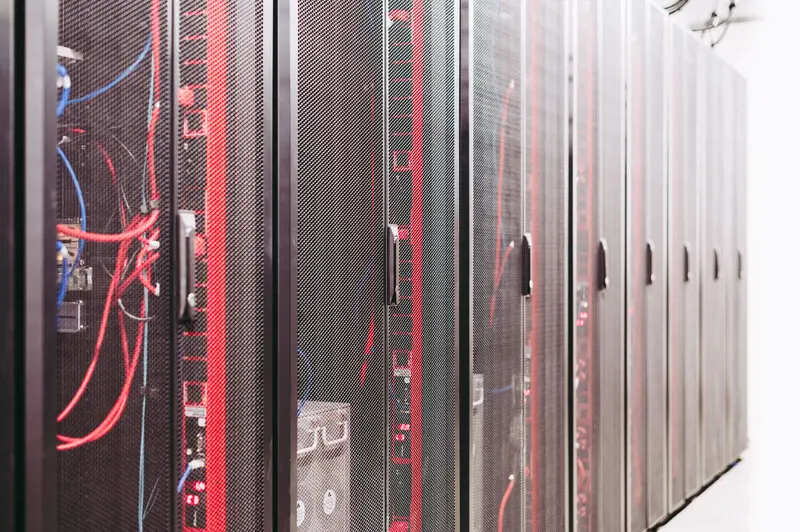
Figure 1. Modern data center server infrastructure and network racks.
Source: Pexels, Brett Sayles
Data Center Site Selection
Data center site selection should be evaluated as part of the overall engineering strategy. Mechanical and electrical teams need to consider power and thermal requirements together, while project and manufacturing teams should evaluate how equipment can be fabricated, delivered, installed, tested, and maintained.
Key technical factors include continuous power availability, thermal management, network connectivity, physical security, water resources, equipment logistics, and operational resilience.
These factors are interconnected. For example, a hot climate can increase thermal demand, while limited water availability can restrict the practical use of water-dependent heat-rejection systems. Environmental conditions such as temperature, humidity, airborne contaminants, corrosion, flooding, wildfire, extreme wind, and earthquakes should be assessed before detailed mechanical design begins. [1]
Permitting requirements and approval timelines should also be considered early because they can affect water use, environmental protection, building requirements, noise restrictions, and utility connections.
Early planning should identify site constraints, required power capacity, long-lead equipment, and the space needed for mechanical and electrical infrastructure. Equipment such as transformers, switchgear, chillers, pumps, and cooling towers may require significant procurement time. Identifying these requirements early supports realistic project scheduling and reduces construction delays. [1]
Environmental Factors Influencing Mechanical Design
Climate, Humidity, and Air Quality
Ambient temperature and long-term climate patterns influence heat-rejection performance, chiller efficiency, economizer opportunities, and required thermal capacity. [1]
Humidity control is also important. Excessively dry conditions can increase the risk of static electricity and electrostatic discharge, while excessive moisture can contribute to condensation and corrosion. Environmental conditions should therefore be evaluated according to ASHRAE thermal guidelines and the requirements of the IT equipment.
Airborne particles and gaseous contaminants can also affect electronic equipment and mechanical components. In corrosive environments, contamination combined with moisture can accelerate material degradation. Appropriate filtration, environmental monitoring, and corrosion control should therefore be considered during site selection. [2]
Flooding and Natural Hazards
Flooding, extreme wind, wildfire, earthquakes, and other natural hazards can threaten equipment and business continuity.
Site selection should consider hazard maps, drainage, finished-floor elevation, structural requirements, emergency access, and the location of critical mechanical and electrical equipment.
Where atmospheric contamination is a concern, corrosion-monitoring programs such as copper and silver coupon testing can provide useful information about site conditions and support equipment-protection decisions. [3]
Water Availability
Water availability is an important consideration for facilities using cooling towers or other water-dependent heat-rejection systems.
The assessment should include local supply, seasonal availability, water quality, treatment requirements, discharge constraints, and the expected water-use profile of the selected system. [1]
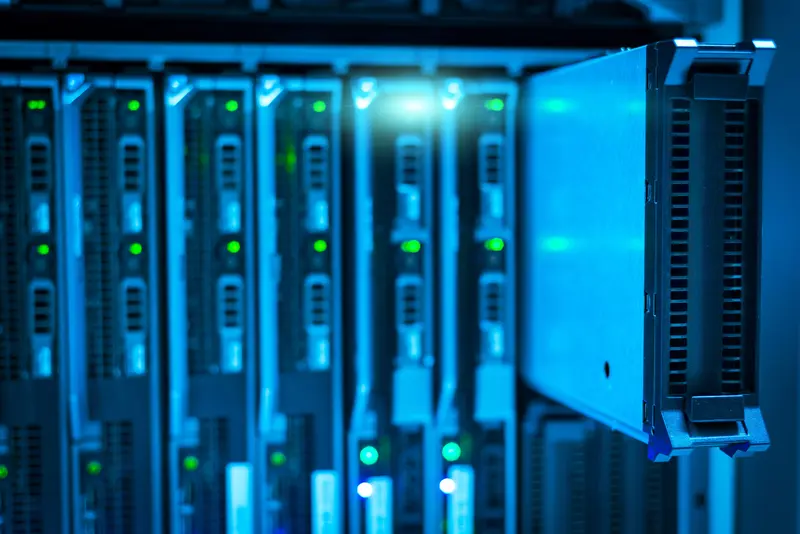
Figure 2. Cooling and thermal-management considerations in a data center.
Source: Pexels
Cooling and Thermal Management
Cooling is one of the fundamental mechanical functions in a data center because almost all electrical power consumed by IT equipment ultimately becomes heat.
If thermal capacity is poorly matched to the IT load, the facility can experience instability, reduced equipment performance, stranded capacity, or expensive modifications. [2]
Power and heat rejection should therefore be treated as interconnected design domains. Changes in IT density affect electrical distribution, heat generation, airflow, piping, and equipment selection. Integrated design allows these interactions to be evaluated before construction. [2]
Climate and Cooling Strategy
Cold and moderate climates may provide opportunities for air-side or water-side economization, depending on humidity, air quality, equipment requirements, and system architecture.
In suitable applications, recovered heat may also have potential uses outside the facility when local infrastructure and demand make heat recovery practical. [1][2]
High outdoor temperatures increase the thermal lift required from chillers and compressors and can reduce heat-rejection efficiency. Hot climates therefore require careful evaluation of chiller performance, heat-rejection capacity, redundancy, water availability, and peak ambient conditions. [2]
Water-Cooled and Dry-Cooled Systems
Water-cooled and dry-cooled systems have different energy, water, space, and maintenance characteristics.
Water-based heat rejection can provide effective thermal performance but requires water treatment and ongoing water management. Dry cooling can significantly reduce operational water consumption, although it may require larger heat-rejection surfaces and can experience higher energy demand during extreme ambient conditions.
The appropriate solution should therefore be selected according to climate, water availability, load profile, efficiency targets, and life-cycle cost. [2]
Chillers, Heat Rejection, and Pumping
Traditional chilled-water plants can provide centralized cooling for large facilities, while alternative architectures may use warmer water loops or direct liquid cooling for high-density applications.
Cooling towers and dry coolers should be evaluated as part of the complete heat-rejection system, considering peak ambient conditions, water availability and quality, noise constraints, maintenance requirements, redundancy, and available space.
Pump selection should consider flow rate, pressure drop, operating point, variable-speed control, redundancy, and total life-cycle energy consumption. Liquid loops can transport substantial heat efficiently compared with moving an equivalent heat load through large volumes of air. [4]
Emerging Liquid-Cooling Technologies
High-density AI and HPC racks are driving greater adoption of direct liquid cooling and other liquid-based thermal-management approaches.
These technologies can reduce the burden on room-level air cooling but introduce additional requirements for manifolds, pumps, heat exchangers, leak detection, fluid quality, serviceability, and integration with the facility water loop. [4]
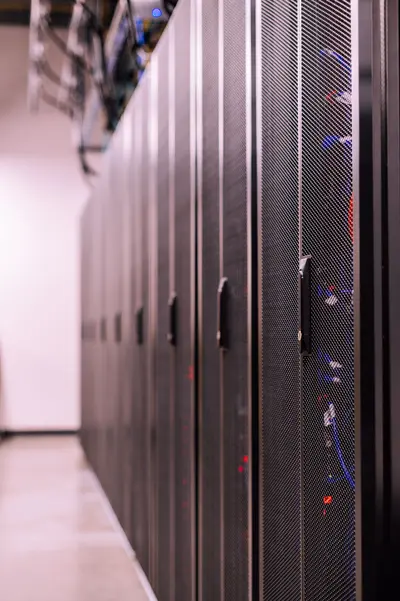
Figure 3. Server cooling and thermal management for high-density computing.
Source: Pexels
Mechanical Infrastructure and Equipment Selection
Data center HVAC systems operate continuously and require precise environmental control and appropriate redundancy.
Common approaches include:
- CRAC Units: Self-contained units that typically use direct-expansion (DX) refrigeration. They may be suitable for smaller facilities or applications where a centralized chilled-water plant is not required.
- CRAH Units: Air-handling units that circulate room air across a cooling coil supplied with chilled water from a central plant. They are commonly used in larger facilities.
- In-Row / Close-Coupled Cooling: Units positioned close to racks to target high-density heat loads and reduce air travel distance.
- Liquid Cooling: Increasingly important for high-density AI and HPC environments where conventional air-based systems may become insufficient. [2]
Selection should be based on facility size, load characteristics, redundancy requirements, available utilities, energy objectives, and the overall mechanical plant design.
Equipment capacity should be established from calculated IT heat load, design ambient conditions, redundancy requirements, and anticipated growth. Applicable ASHRAE guidance should be used to establish the appropriate server-inlet temperature and moisture operating envelope. Filtration requirements should also reflect site contamination, economizer strategy, and equipment requirements. [2]
Redundancy should be selected according to availability and operational strategy. N+1, 2N, and other architectures may be considered depending on fault-tolerance requirements, maintenance strategy, facility classification, and business objectives. [7]
Mechanical piping should be designed considering pressure, temperature, corrosion resistance, structural requirements, insulation, drainage, isolation, and maintainability.
Equipment should also be positioned so technicians can safely inspect, service, isolate, and replace components. Clear maintenance paths, equipment clearances, lifting routes, and valve access should be incorporated into the design. [1][2]
Multidisciplinary EPC Coordination
Mechanical and electrical systems should be coordinated from concept through detailed design.
Electrical losses become heat loads, while cooling equipment consumes electrical power. This makes capacity planning an iterative process between the two disciplines. [2]
High-density facilities require coordination between electrical distribution, thermal capacity, structural provisions, controls, materials, and future requirements.
Liquid-cooled systems require additional coordination between rack manifolds, pumps, heat exchangers, piping, controls, leak detection, and the facility cooling-water system and associated liquid-cooling loops. Serviceability and isolation should be considered so maintenance can be performed without unnecessary disruption. [2]
Early vendor and manufacturing coordination is also essential because equipment dimensions, connection points, performance data, controls, delivery schedules, and maintenance requirements directly affect mechanical design.
Installation and commissioning should be considered throughout the design process. Factory acceptance testing, installation verification, pre-functional checks, functional performance testing, and integrated systems testing can help identify problems before they affect live operations. [5]
Safety measures may include appropriate drainage, leak detection, isolation valves, safe access, and coolant-containment provisions. Operational efficiency can be improved through optimized pump and fan control and by matching system capacity to actual thermal loads. [6][2]
3D CAD, Prototyping, and Manufacturing
3D CAD and Space Planning
3D CAD provides a practical method for developing and coordinating mechanical infrastructure before construction.
Equipment, piping, sheet-metal components, enclosures, structural interfaces, and service spaces can be represented in a coordinated digital model.
This approach is particularly valuable for verifying equipment dimensions, maintenance clearances, piping routes, access paths, lifting requirements, and potential spatial conflicts.
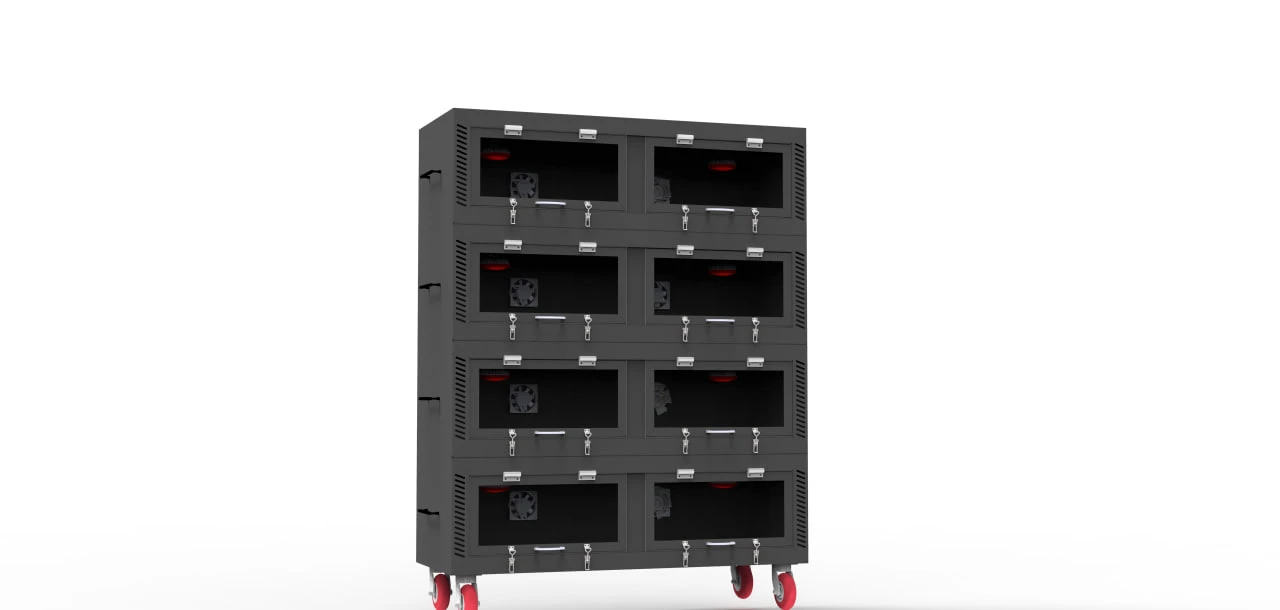
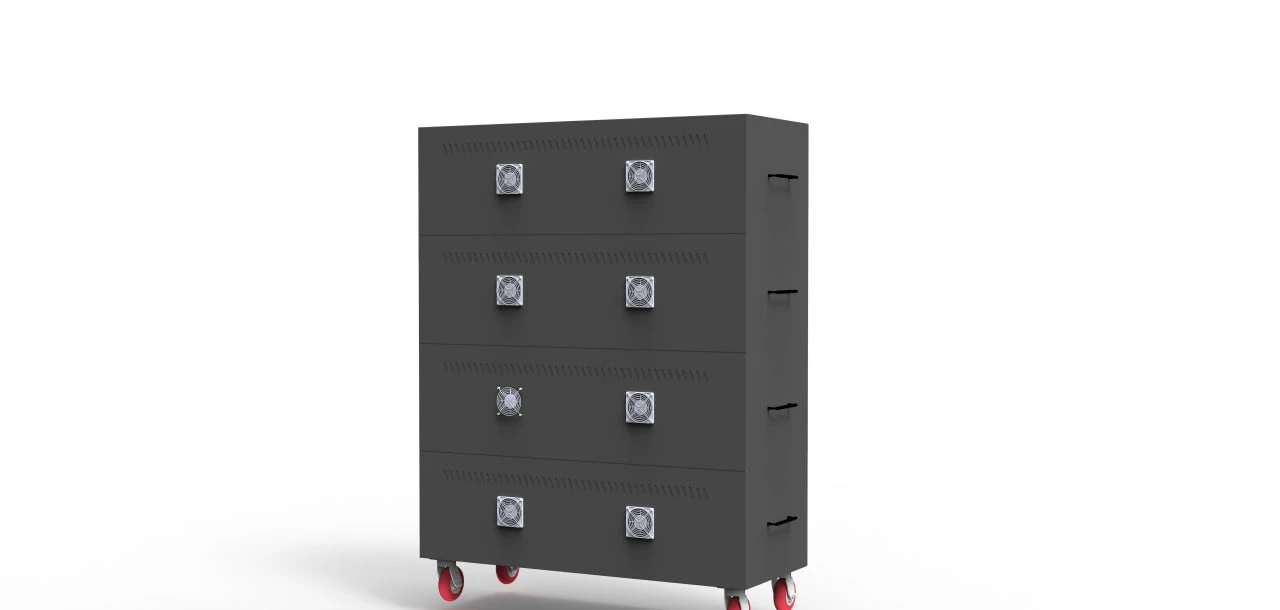
Figure 4. 3D CAD-based mechanical coordination showing equipment clearance, piping routes, and maintenance access.
Source: Author’s illustration
Design Validation and Prototyping
Where practical, prototypes, mock-ups, simulation, CFD, and digital-twin methods can be used to validate thermal behavior, airflow, component fit, and serviceability before full-scale deployment.
Prototyping can also help identify design problems before manufacturing large quantities of components or committing to full-scale installation.
Manufacturing and Assembly
Mechanical design should consider manufacturability from the beginning.
Sheet-metal fabrication, standard components, tolerances, assembly sequence, lifting requirements, inspection points, and transportation constraints can influence the final equipment configuration.
This creates a direct connection between digital design, prototyping, fabrication, installation, and long-term maintenance.
Reducing Design Errors
A coordinated digital model can help identify mechanical clashes, inaccessible components, unsuitable routing, and interface problems before construction.
Identifying these constraints early can reduce rework, simplify installation, and minimize expensive site modifications.
Practical Engineering Insight
From a mechanical design perspective, site selection should be connected to the physical requirements of the future facility from the beginning.
Before equipment procurement, 3D CAD coordination can be used to verify equipment dimensions, service clearances, pipe-routing corridors, access paths, lifting requirements, and potential clashes with electrical or structural systems.
For example, a site with limited space for mechanical equipment may appear acceptable during initial planning but create significant challenges when chillers, pumps, heat-rejection equipment, or additional capacity are introduced.
Early coordination between mechanical, electrical, structural, manufacturing, and construction teams can therefore prevent costly modifications during installation.
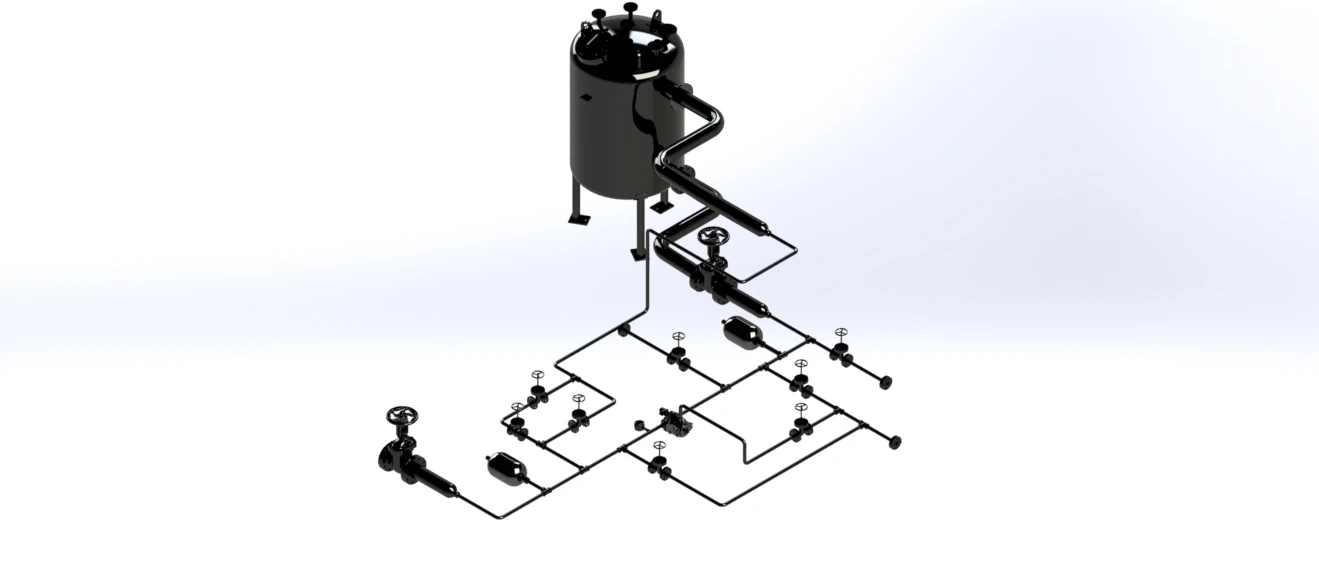
Figure 5. 3D CAD-based coordination of pipe-routing corridors, pump access, piping paths, and lifting requirements.
Source: Author’s illustration
Scalability and Long-Term Flexibility
Data center site selection should account for future capacity from the beginning.
A scalable design can accommodate changes in computing demand, thermal technologies, and supporting infrastructure without requiring major reconstruction. Modular mechanical systems can support phased deployment by allowing additional heat-rejection and infrastructure capacity to be added as demand grows. [1][2]
Site planning should reserve space for additional chillers, pumps, heat exchangers, cooling towers or dry coolers, piping, electrical interfaces, and service access.
This is particularly important in AI and high-density computing environments, where rack power and thermal requirements can evolve rapidly. Planning for growth can reduce stranded capacity, major retrofit requirements, and operational disruption. [1][2]
Life-Cycle Cost and Energy Efficiency
Initial capital cost should not be evaluated independently from operating performance.
An integrated approach considers power, physical infrastructure, capacity, thermal strategy, climate, water availability, equipment efficiency, maintenance, and replacement requirements.
Accessible equipment, isolation capability, standardized components, spare capacity, and clear maintenance routes can reduce downtime and simplify interventions. [2][6]
Equipment selection should also consider how data center workloads and thermal technologies may change over time. Mechanical systems designed for adaptability can accommodate upgrades more effectively and reduce the risk of premature replacement or major redesign. [2]
Sustainability Considerations
Higher-voltage power distribution architectures, including emerging 800 VDC approaches, are being evaluated for future high-density data center applications.
At higher distribution voltages, the same power can be delivered with lower current, which can reduce conductor size and associated electrical losses. These architectures may also reduce some power-conversion stages depending on the overall system configuration.
However, 800 VDC should not be considered a universal replacement for existing data center power architectures. Its suitability depends on IT equipment, power-distribution topology, safety requirements, protection systems, standards, and overall facility design.
Therefore, higher-voltage architectures should be evaluated as part of an integrated electrical and mechanical design strategy rather than as a standalone efficiency measure. [3]
Practical Example: Applying Mechanical Design Principles to Site Selection
Consider two potential locations for a new-build data center. Both sites satisfy the basic project requirements, but their environmental conditions, water resources, and available space lead to different mechanical design implications.
| Mechanical Consideration | Site A | Site B | Engineering Impact |
| Climate | Hot climate | Moderate climate | Site A may require greater thermal capacity and more intensive heat management. |
| Water Availability | Limited | Better availability | Site B provides greater flexibility when evaluating water-dependent systems. |
| Future Expansion | Limited space | Sufficient space | Site B offers greater flexibility for additional equipment and capacity. |
| Maintenance Access | More constrained | Better planning potential | Adequate space can simplify access, maintenance, and replacement. |
| Life-Cycle Cost | Potentially higher operating cost | Potentially lower long-term cost | Initial investment should be evaluated together with energy, maintenance, and expansion costs. |
Climate → Cooling Requirement → Water Availability → Equipment Selection → Life-Cycle Cost → Future Expansion → Site Selection
Figure 6. Mechanical engineering factors influencing data center site selection.
Source: Author’s illustration
Engineering Assessment
Based on the assumed conditions, Site B may provide better long-term mechanical flexibility, particularly because of its moderate climate, better water availability, and greater expansion potential.
However, this conclusion should not be based on the table alone. The final site decision should be supported by detailed cooling-load calculations, climate data, utility studies, water-use analysis, equipment performance data, and project-specific economic evaluation.
Key Recommendations for Mechanical Engineers
When evaluating a potential data center site, mechanical engineers should consider:
- Climate: Ambient temperature, humidity, and environmental conditions influence system requirements.
- Water Availability: Water resources can affect the feasibility and sustainability of water-based heat rejection.
- Mechanical Infrastructure: The site should support the selected system architecture and required redundancy.
- Equipment Space and Accessibility: Adequate space should be provided for installation, maintenance, replacement, and growth.
- Power and Mechanical Coordination: Electrical and mechanical infrastructure should be planned as interconnected systems.
- Future Capacity: The site and infrastructure should accommodate changes in IT load and technology.
- Life-Cycle Cost: Initial capital cost should be evaluated together with energy, maintenance, replacement, and expansion costs.
Frequently Asked Questions (FAQ)
What mechanical factors are important in data center site selection?
Climate, water availability, thermal requirements, equipment space, accessibility, redundancy, and future capacity.
Why is climate important for data centers?
Climate affects thermal requirements, energy consumption, and the selection of suitable systems.
What is the difference between CRAC and CRAH?
CRAC units typically use direct-expansion refrigeration, while CRAH units use chilled water supplied from a central cooling plant.
Why is 3D CAD important in data center design?
It helps engineers coordinate equipment, piping, clearances, access paths, and potential clashes before installation.
Why should future capacity be considered?
Planning for future capacity helps reduce costly modifications and supports changing IT and thermal requirements.
Conclusion
The best data center site is not necessarily the cheapest or most accessible location. It is the location where environmental conditions, mechanical infrastructure, energy efficiency, reliability, maintainability, scalability, and life-cycle objectives can be balanced effectively.
From a mechanical engineering perspective, site selection is the first step in a chain that continues through system design, equipment selection, 3D CAD coordination, prototyping, manufacturing, installation, commissioning, operation, and future development.
Considering these connections early can reduce design risk, improve operational performance, and create a more adaptable facility capable of supporting the rapidly changing requirements of modern and AI-driven data centers.
References
[1] ASHRAE. AI Data Center Energy Performance Framework.
https://www.ashrae.org/technical-resources/ai-data-center-framework
[2] ASHRAE. Site Planning – AI Data Center Framework.
https://www.ashrae.org/technical-resources/ai-data-center-framework/site-planning
[3] ASHRAE. Integrated Design Principles – AI Data Center Framework.
https://www.ashrae.org/technical-resources/ai-data-center-framework/integrated-design-principles
[4] ASHRAE. Energy and Thermal Efficiency – AI Data Center Framework.
https://www.ashrae.org/technical-resources/ai-data-center-framework/energy-and-thermal-efficiency
[5] ASHRAE. Commissioning & Performance Validation – AI Data Center Framework.
https://www.ashrae.org/technical-resources/ai-data-center-framework/commissioning-performance-validation
[6] ASHRAE. Operations and Maintenance – AI Data Center Framework.
https://www.ashrae.org/technical-resources/ai-data-center-framework/operations-and-maintenance
[7] Interstate AC. Data Center HVAC System: A Complete Guide for Facility Managers.
https://interstateac.com/blog/data-center-hvac-systems-a-complete-guide-for-facility-managers/
Author Bio

Kholoud Mostafa
Kholoud Mostafa is a Mechanical Engineer with experience in mechanical design, research and development, manufacturing, and product development. Her professional interests include mechanical design, 3D CAD modeling, thermal management, manufacturing systems, and engineering innovation. She has experience using engineering tools such as SolidWorks, AutoCAD, Inventor, and simulation software to support design and development projects.
LinkedIn